Direct answerA custom sock order normally moves through requirement review, specification, material selection, sample approval, bulk knitting, finishing, quality control and packing. Written approvals connect these stages and reduce avoidable changes.
The exact workflow varies by construction and packaging, but buyers can manage risk by confirming what must be approved at each production gate.
Turn the idea into a specification
The first stage converts references into measurable requirements. The brief should identify product type, material, size, color, logo, quantity, packaging, destination and target date.
- Confirm assumptions in writing
- Separate product and packaging requirements
- Record size and quantity breakdowns
- Identify testing or compliance needs
Develop and approve the sample
A sample checks construction, dimensions, fit, color and logo before bulk. Comments should be consolidated so the next version has one clear revision list.
- Measure against the size specification
- Review inside and outside workmanship
- Confirm color under consistent lighting
- Keep the approved sample
Move into bulk production
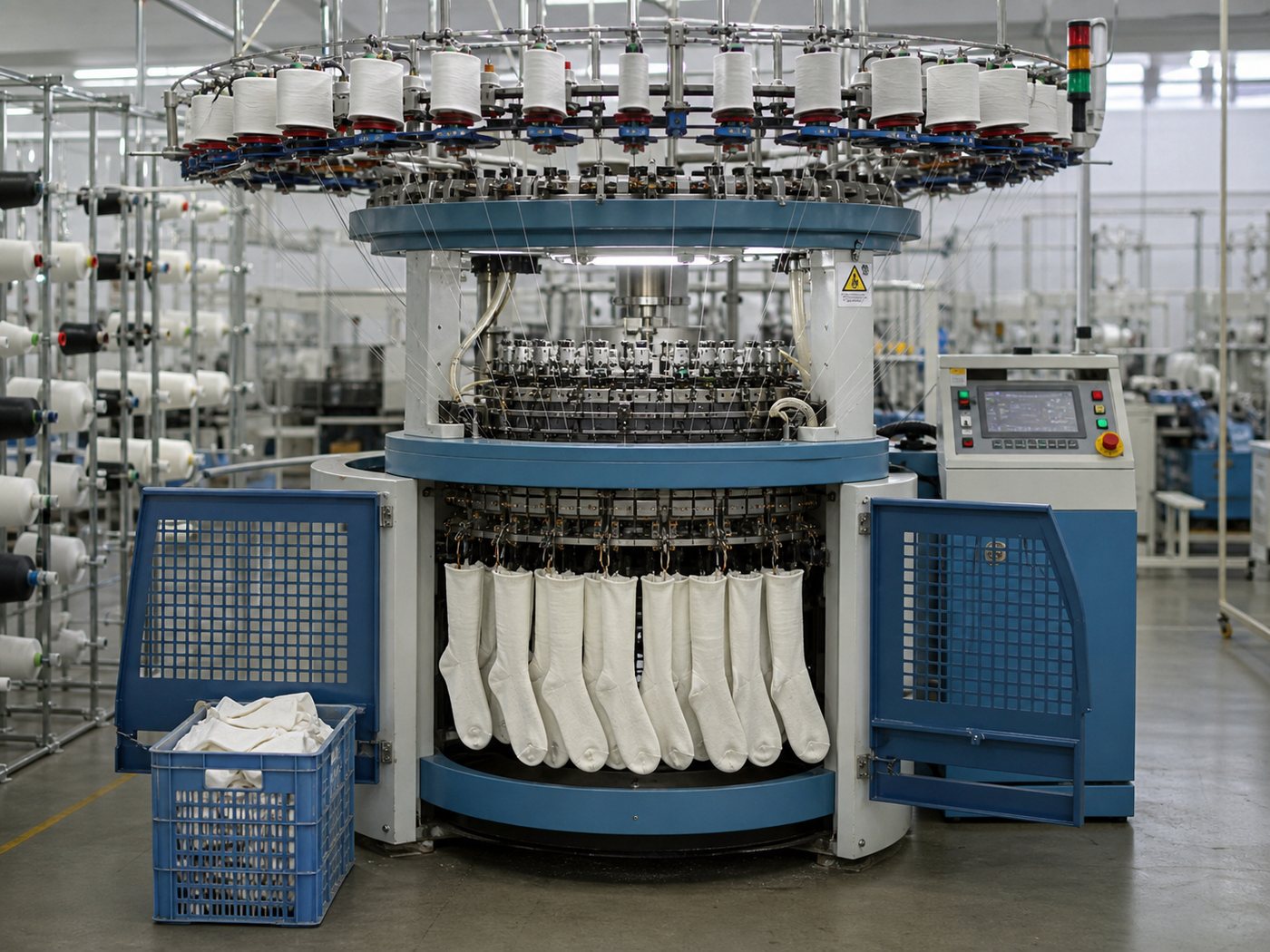
After approval, yarn and components are prepared and knitting begins. Linking, trimming, boarding or finishing stages depend on product construction.
- Confirm bulk start authorization
- Control approved material and colors
- Monitor early production output
- Record approved changes
Inspect, pack and prepare shipment
Final checks cover measurements, workmanship, assortment, labels, packaging and cartons. Shipment information should match the order and packing requirements.
- Define inspection level and criteria
- Verify barcode and SKU information
- Confirm carton quantities and marks
- Prepare agreed shipping documents
Buyer Questions
How long does a custom sock sample take?
Timing depends on design, yarn and capacity; BEZENTO uses a typical target of 7–10 days after requirements are confirmed, subject to project review.
When does bulk production begin?
Bulk should begin only after the required sample, specification and commercial approvals are complete.
Can changes be made during production?
Some changes may be possible but can affect cost, quality and schedule; document any approved change.
What is boarding?
Boarding shapes and finishes socks using forms and controlled heat, depending on material and construction.
What records should buyers keep?
Keep specifications, artwork proofs, approved samples, revision notes, inspection records and packing instructions.
Practical Recommendation
Use a written project brief, compare options against the intended product and confirm important decisions through samples or documented approvals. Final requirements depend on the design, quantity and destination market.
Discuss Your Custom Sock Requirements
Send your product type, artwork, quantity, size range, packaging, destination and target date for a practical project review.