Needle Range
84N, 96N, 120N, 144N, 168N and product-specific options.
BEZENTO organizes custom sock production around approved samples, written specifications and visible quality checkpoints—from yarn selection and knitting to private label packing and export preparation.
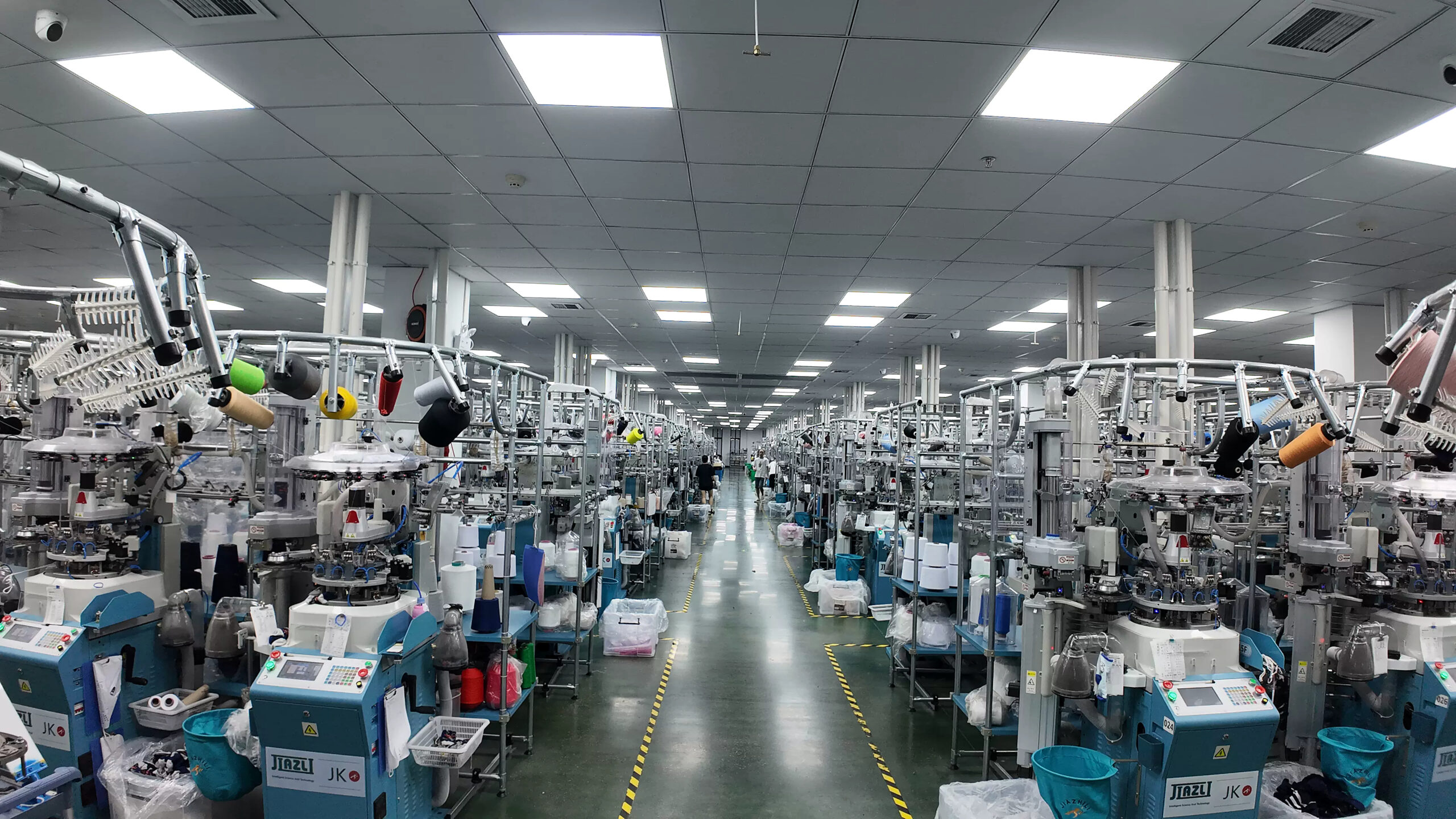
Capacity and machine allocation depend on product construction and the confirmed order plan. These operating indicators are reviewed during quotation.
84N, 96N, 120N, 144N, 168N and product-specific options.
Machine, yarn, sample, packaging and delivery milestones aligned before bulk.
Support for brands, retailers, wholesalers, teams and promotional buyers.
Approved sample, specification, QC criteria and packing instructions.
Every stage has a defined output, reducing the risk that design, production and packaging details become disconnected.
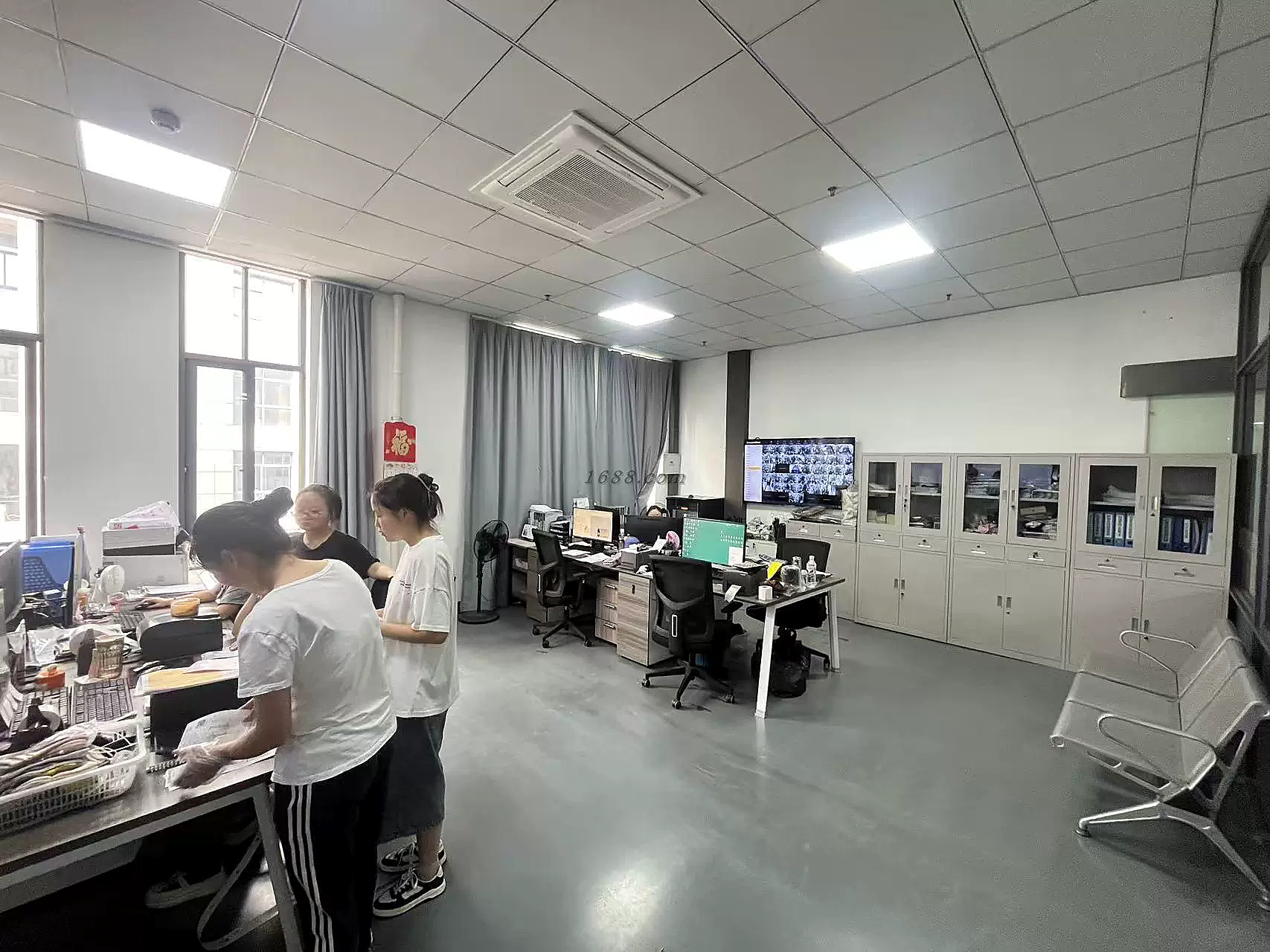
Confirm artwork, construction, size, quantity and packaging requirements.
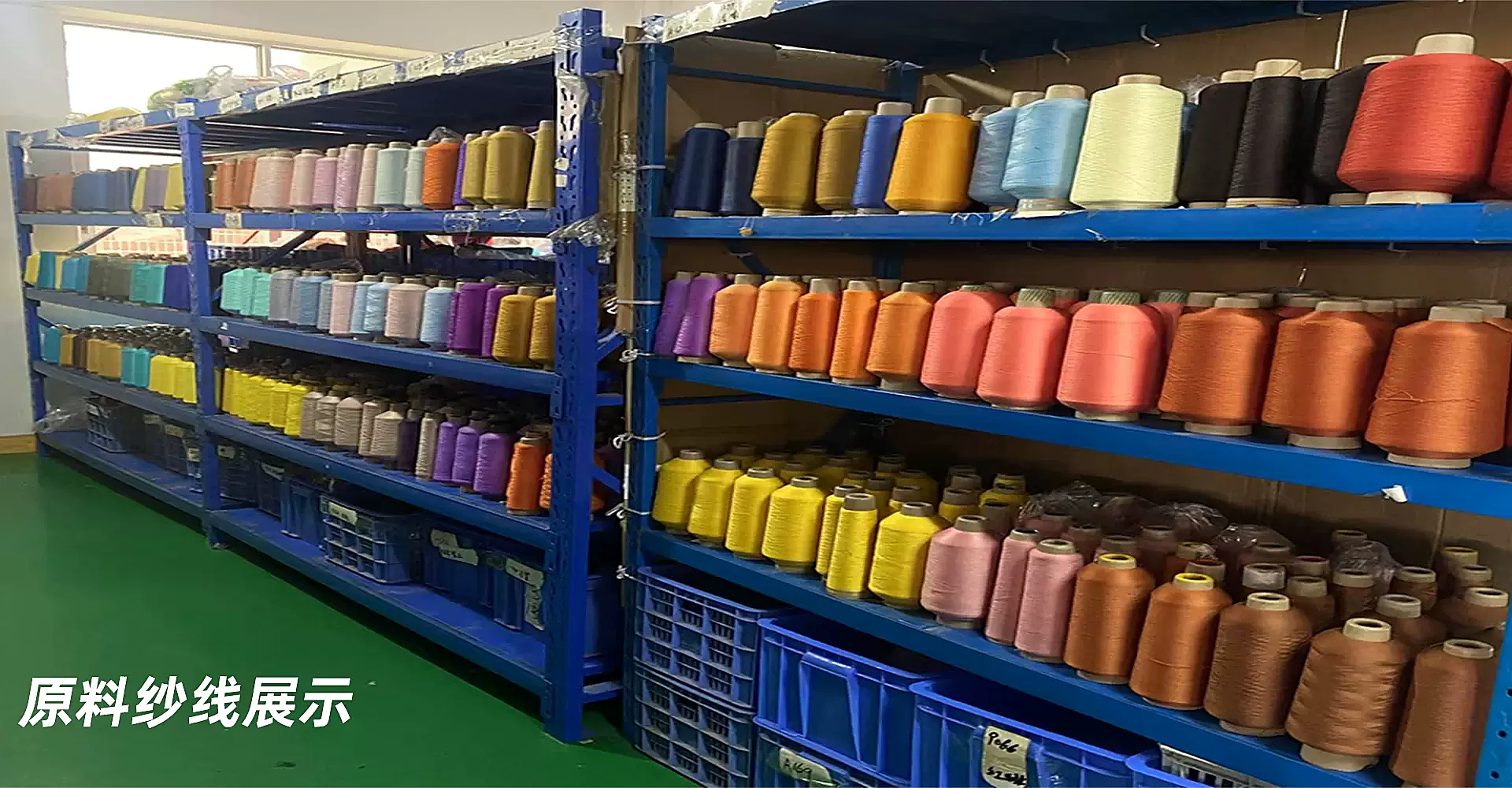
Match material, color, hand feel, function and target price.
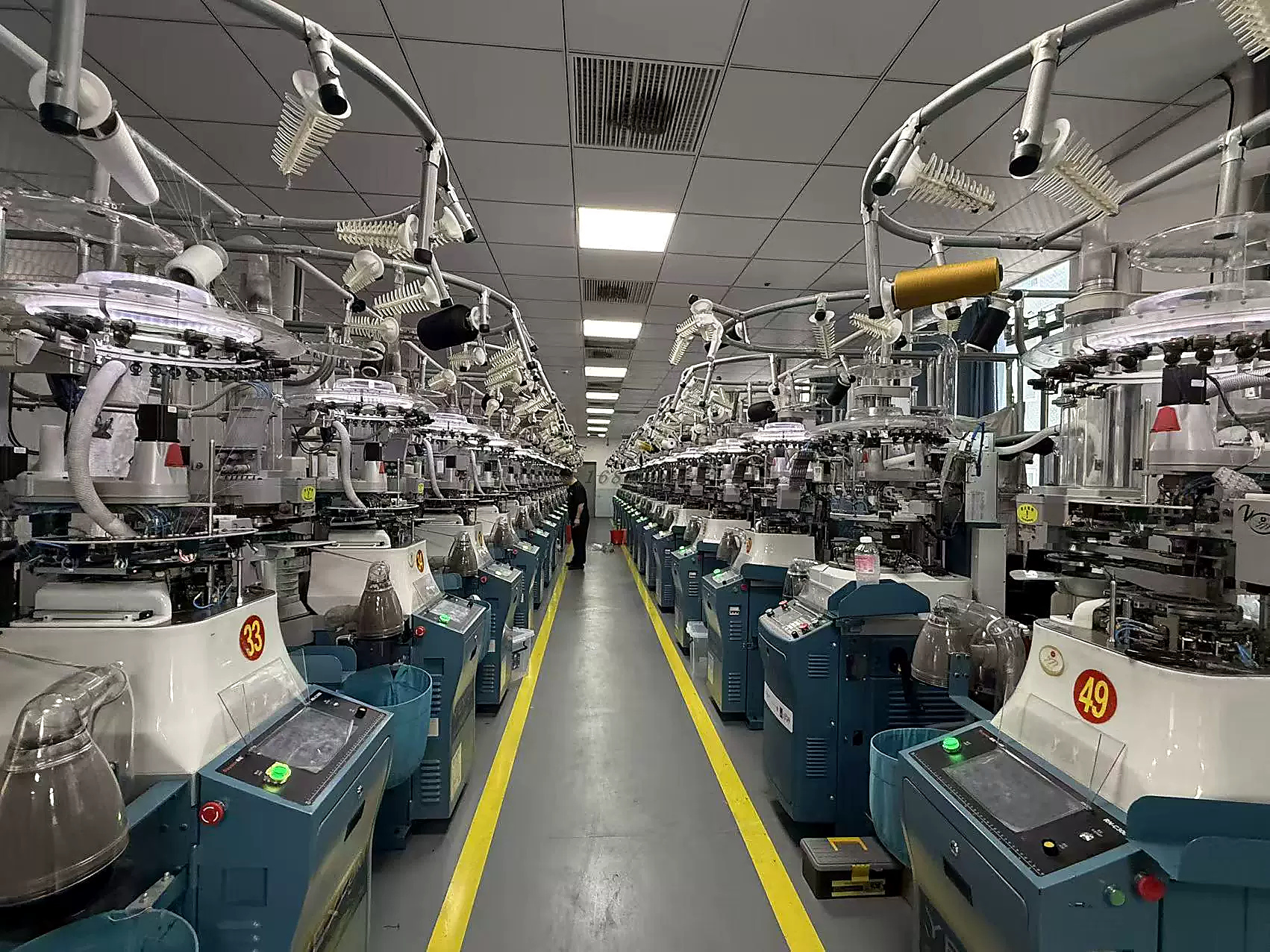
Run approved structures on the appropriate needle-count machines.
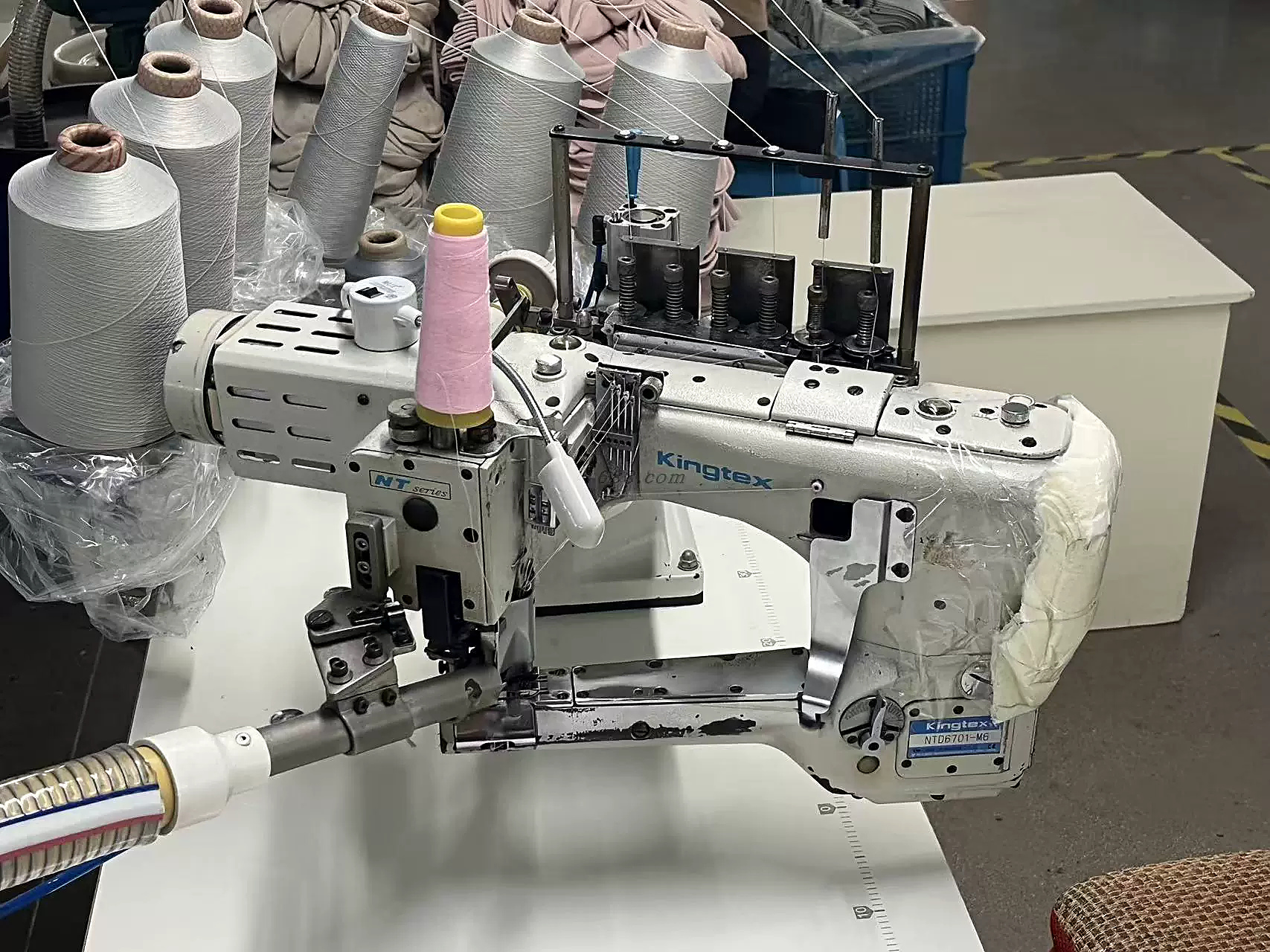
Close and inspect the toe seam for comfort and workmanship.
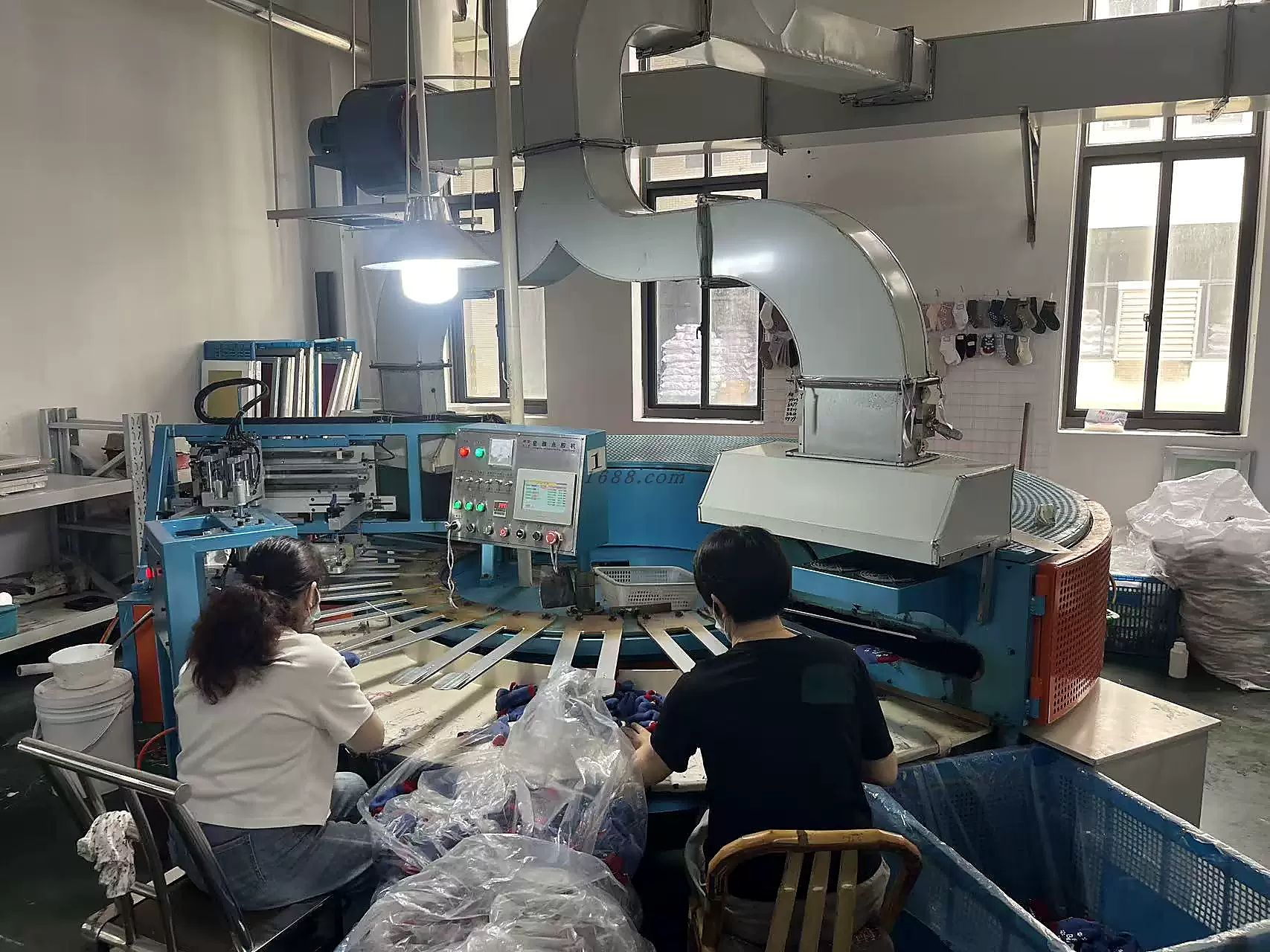
Shape, size and finish socks against the approved reference.
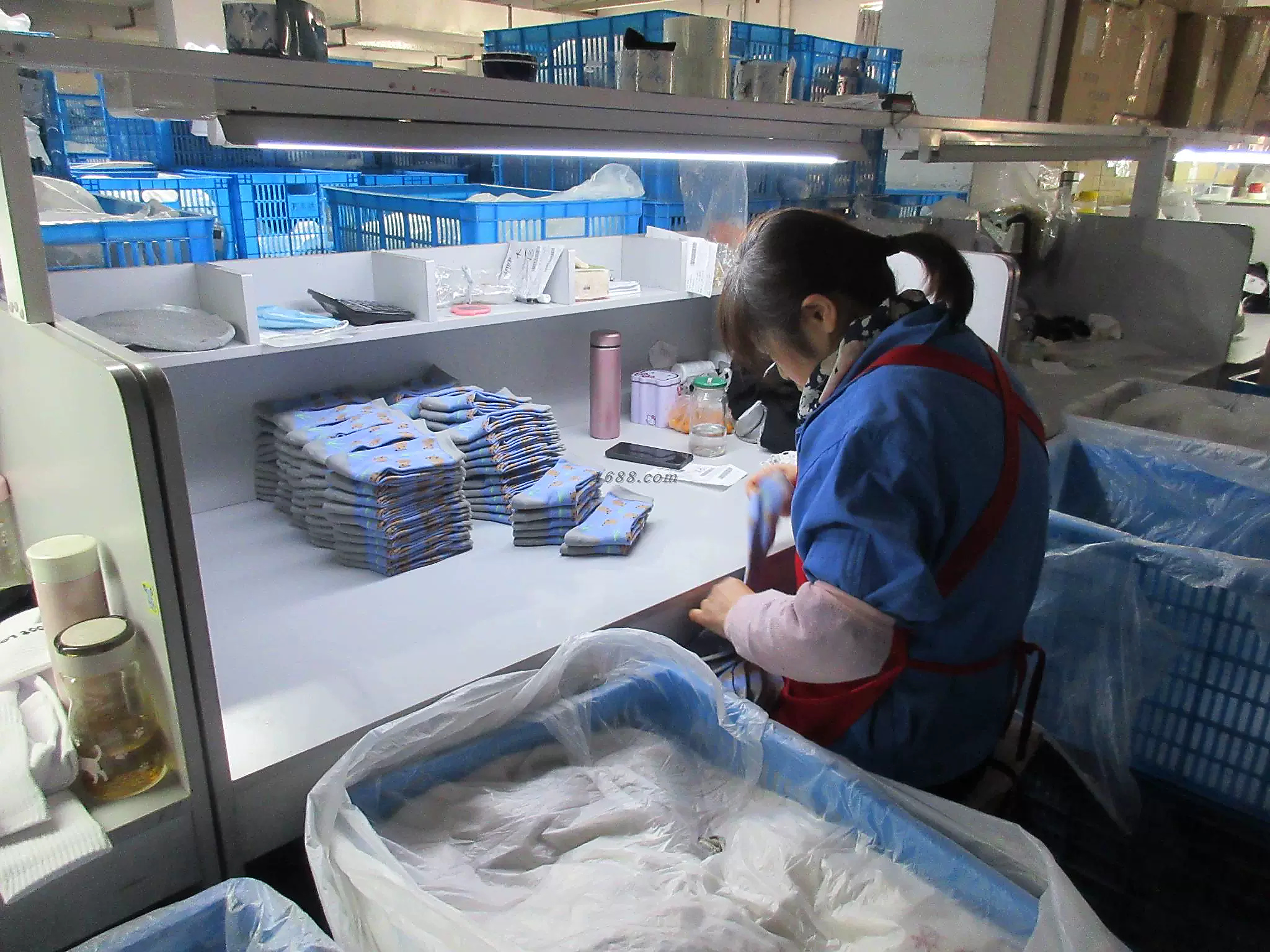
Check measurements, logo, color, defects, stretch and pairing.
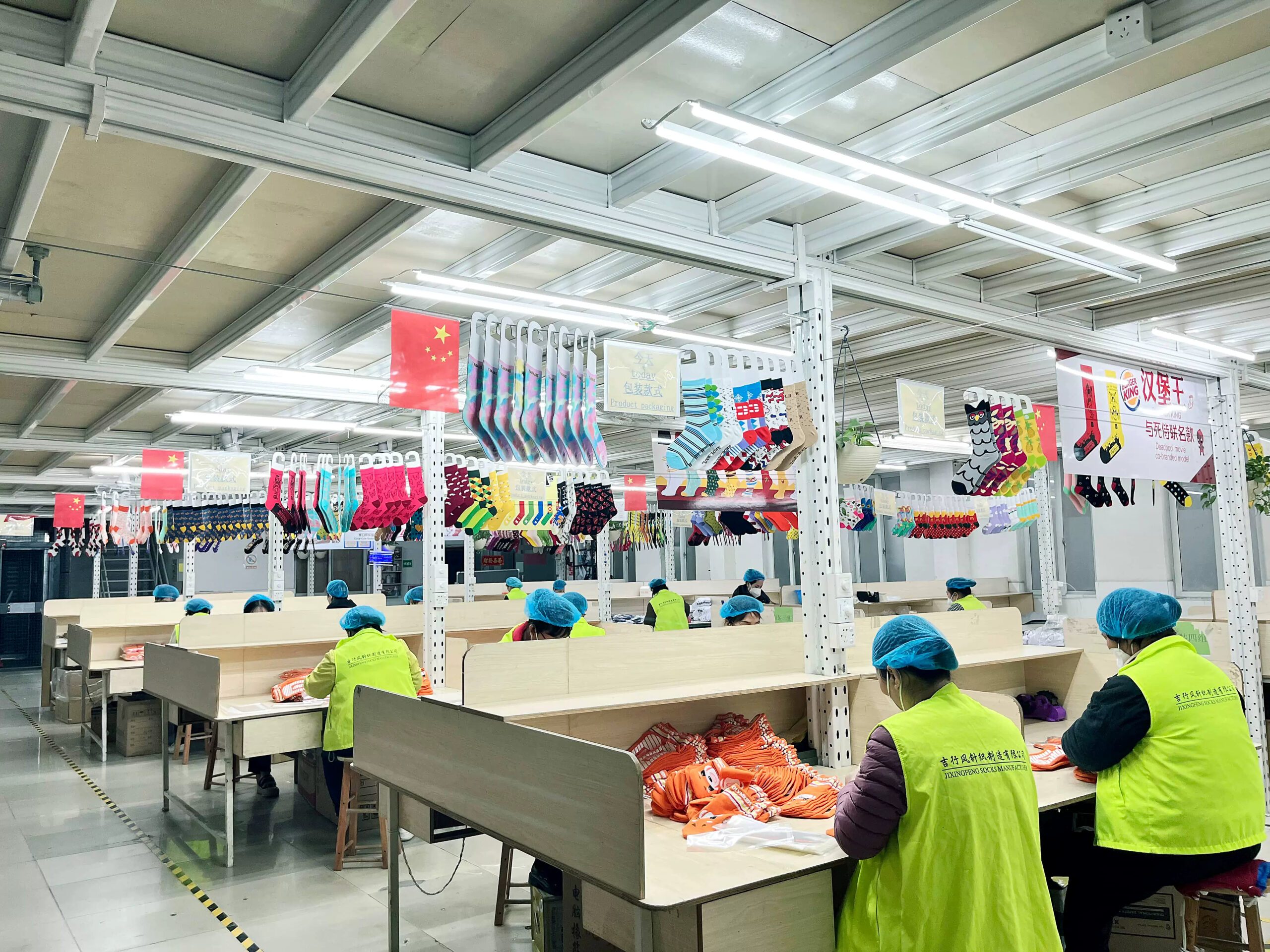
Apply labels, bands, tags, polybags, boxes and pack assortments.

Confirm cartons, carton marks, packing lists and shipment details.
| Capability | Supported Options |
|---|---|
| Product Types | Athletic, grip, compression, bamboo, kids, dress, no-show, wool and logo socks |
| Logo Methods | Jacquard, embroidery, printing, grip graphics and woven labels |
| Structures | Mesh, terry cushion, rib, arch support, compression and reinforced zones |
| Size Control | Buyer size range, grading, measurements and approved sample reference |
| Finishing | Toe linking, washing, boarding, trimming, pairing and metal detection where required |
| Packaging | Bands, hangtags, polybags, boxes, barcodes, assortment and export cartons |
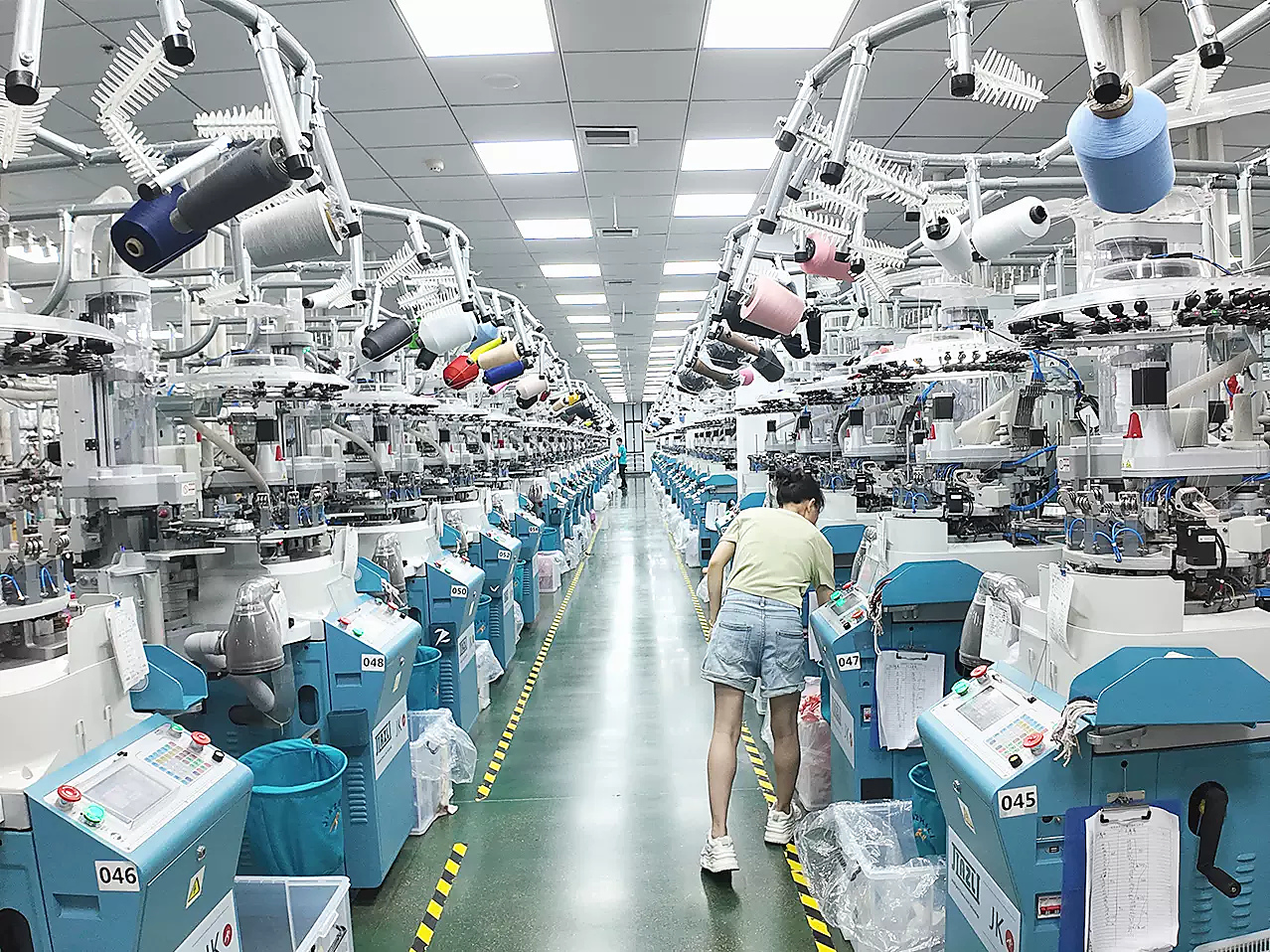
Quality controls begin before knitting and continue through packing so problems can be identified before they affect the finished order.
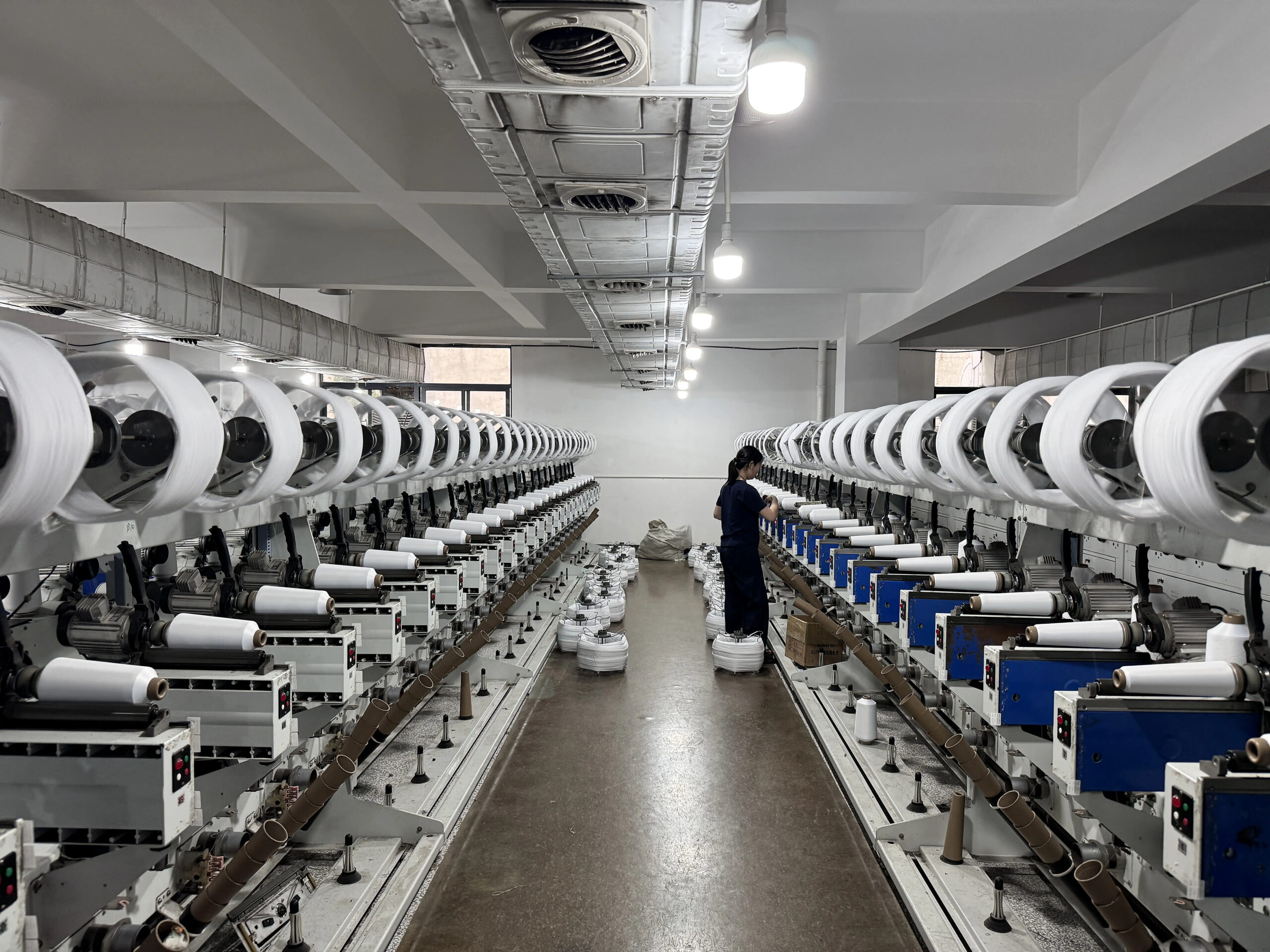
Lot, color, material reference and visible condition
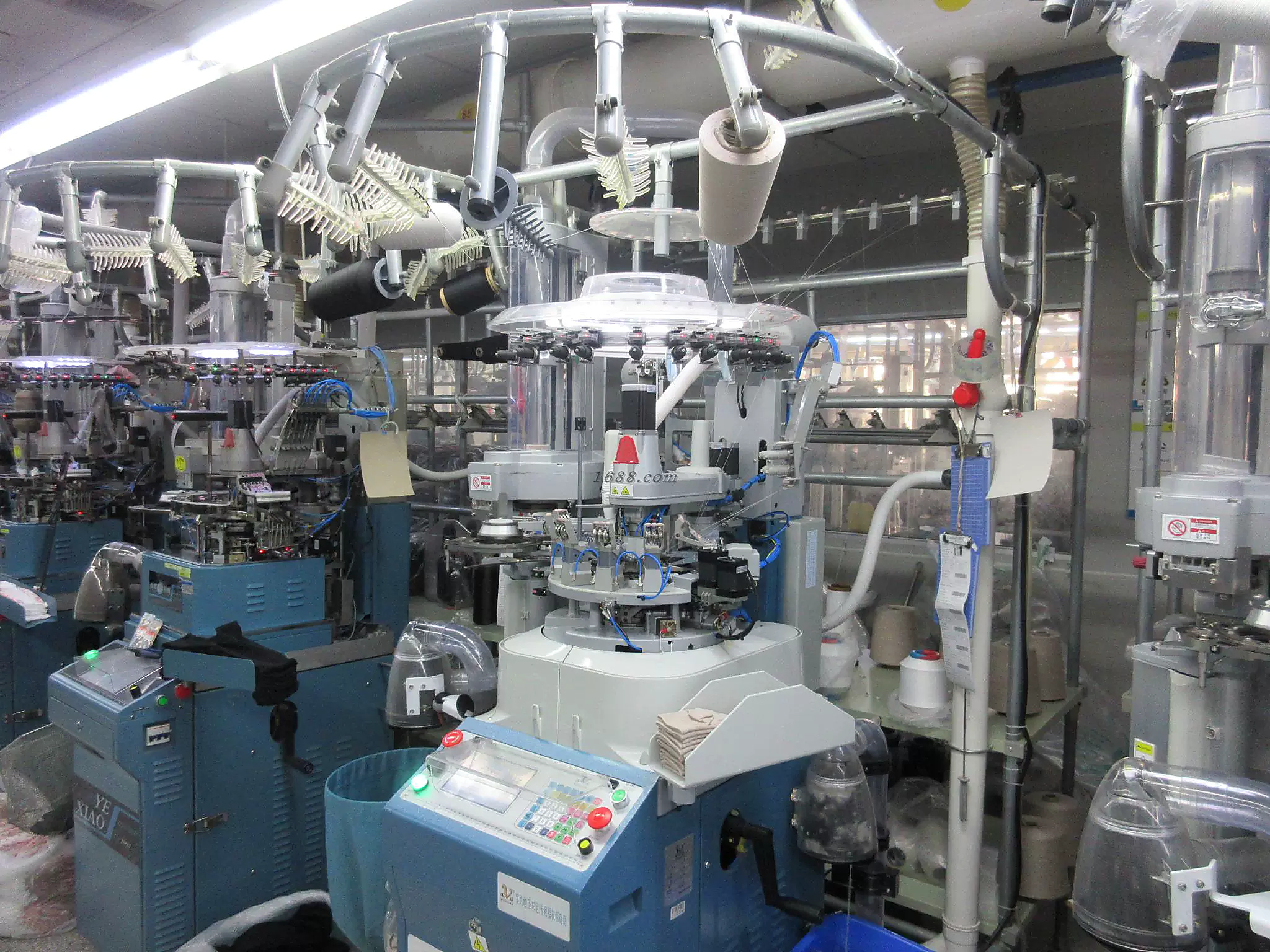
Construction, needle line, logo, elasticity and size
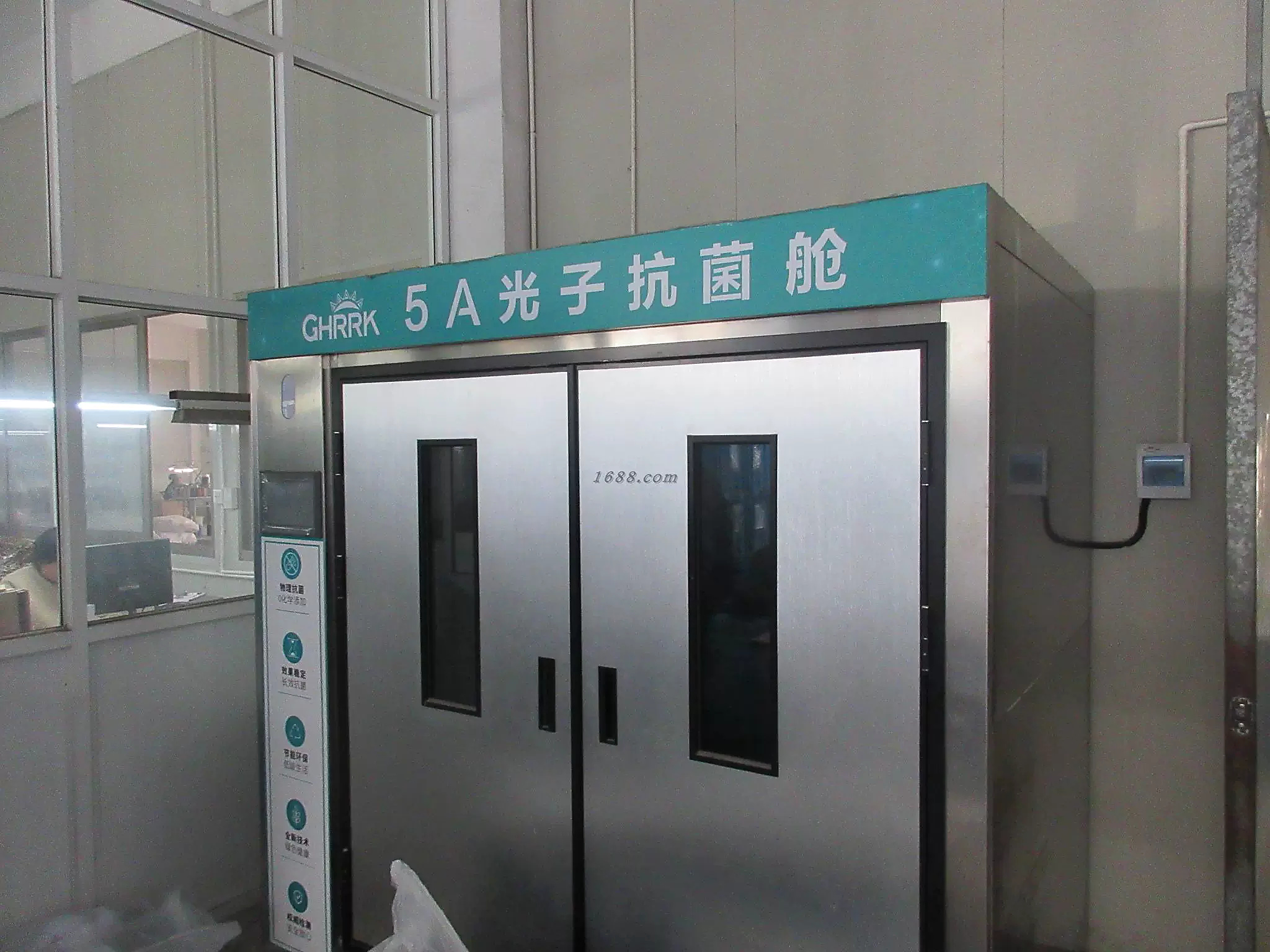
Toe seam, loose yarn, washing, boarding and shape
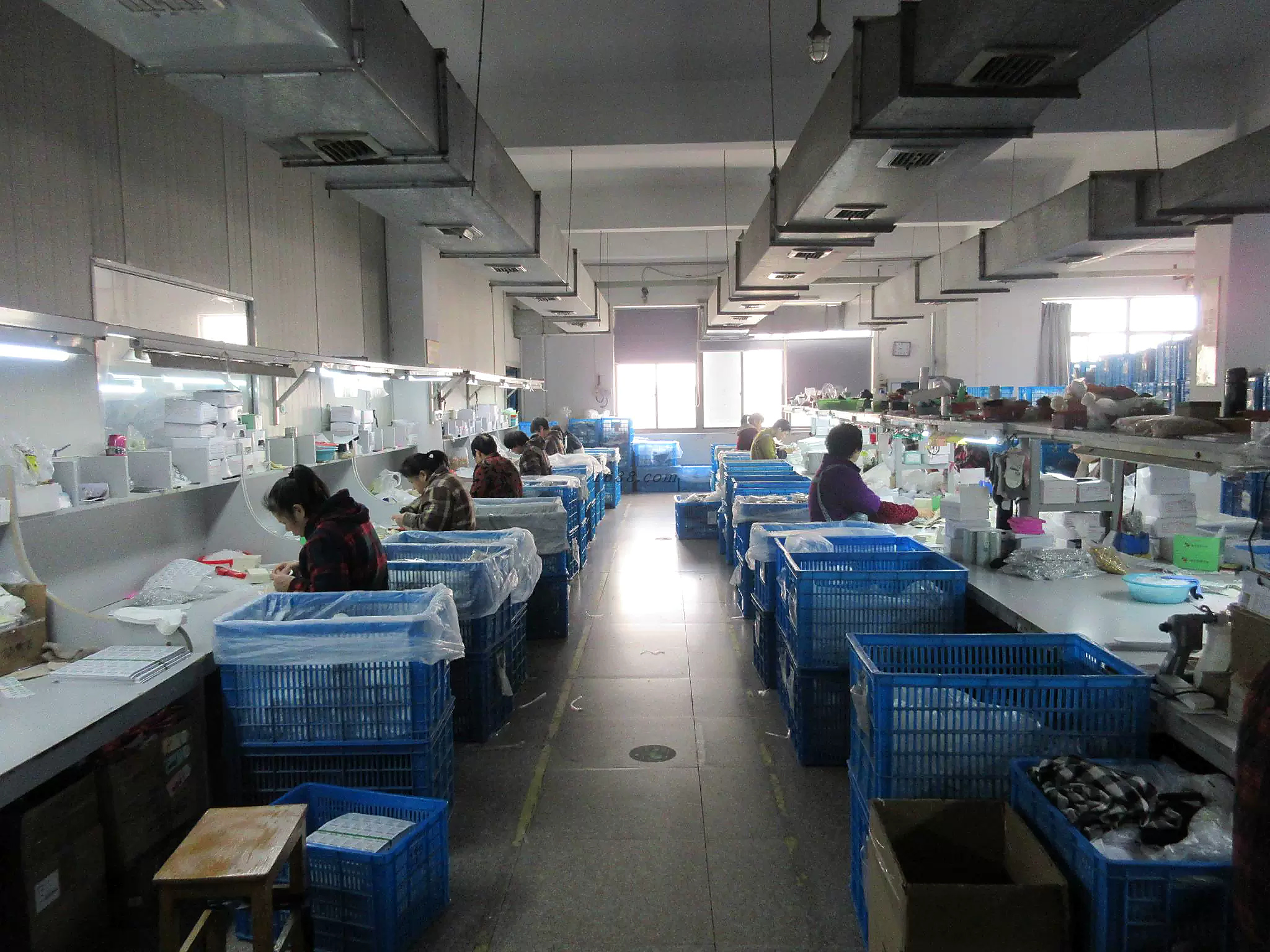
Measurements, color, workmanship, pairing and defects
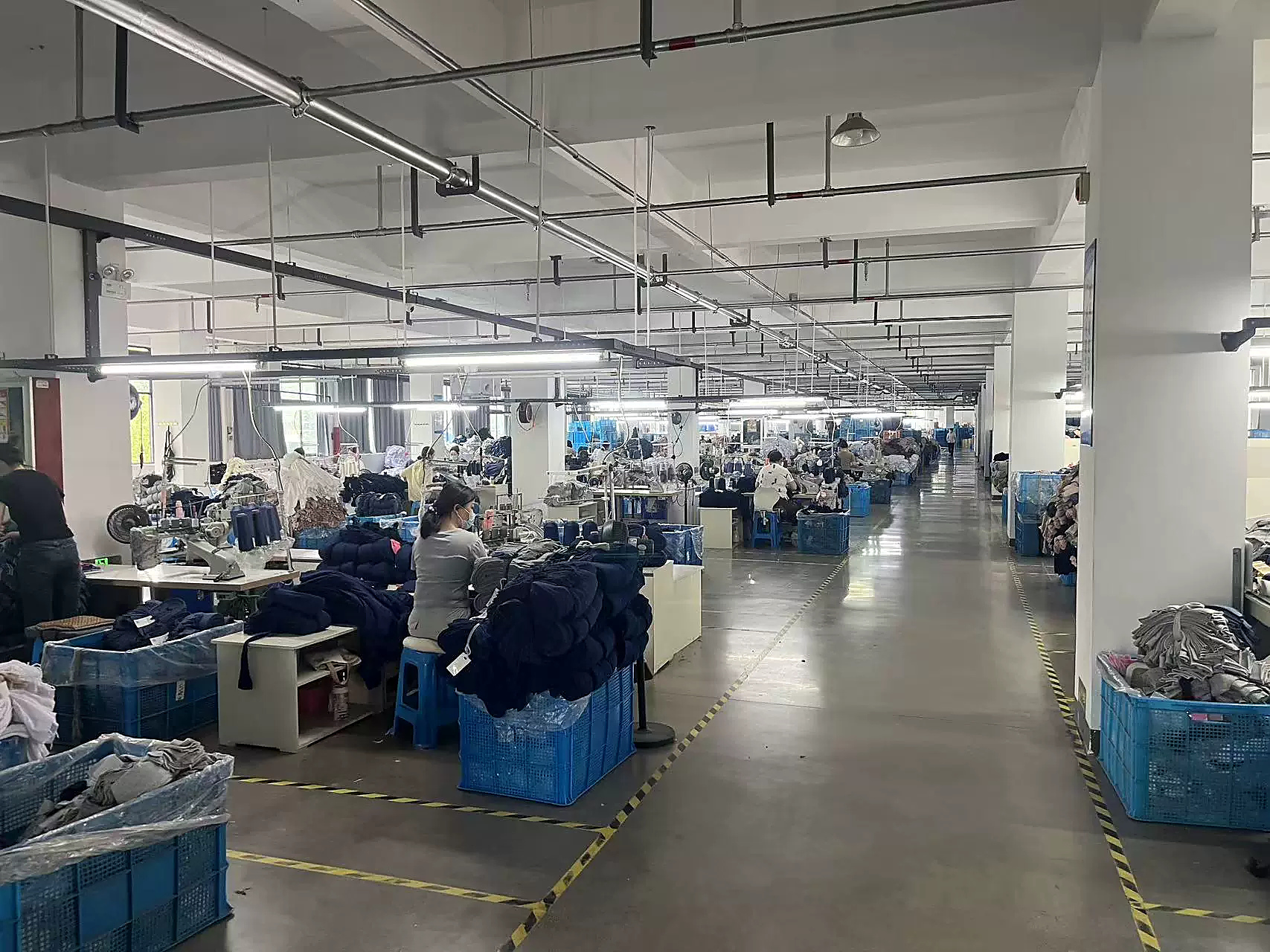
Label, barcode, assortment, quantity and presentation
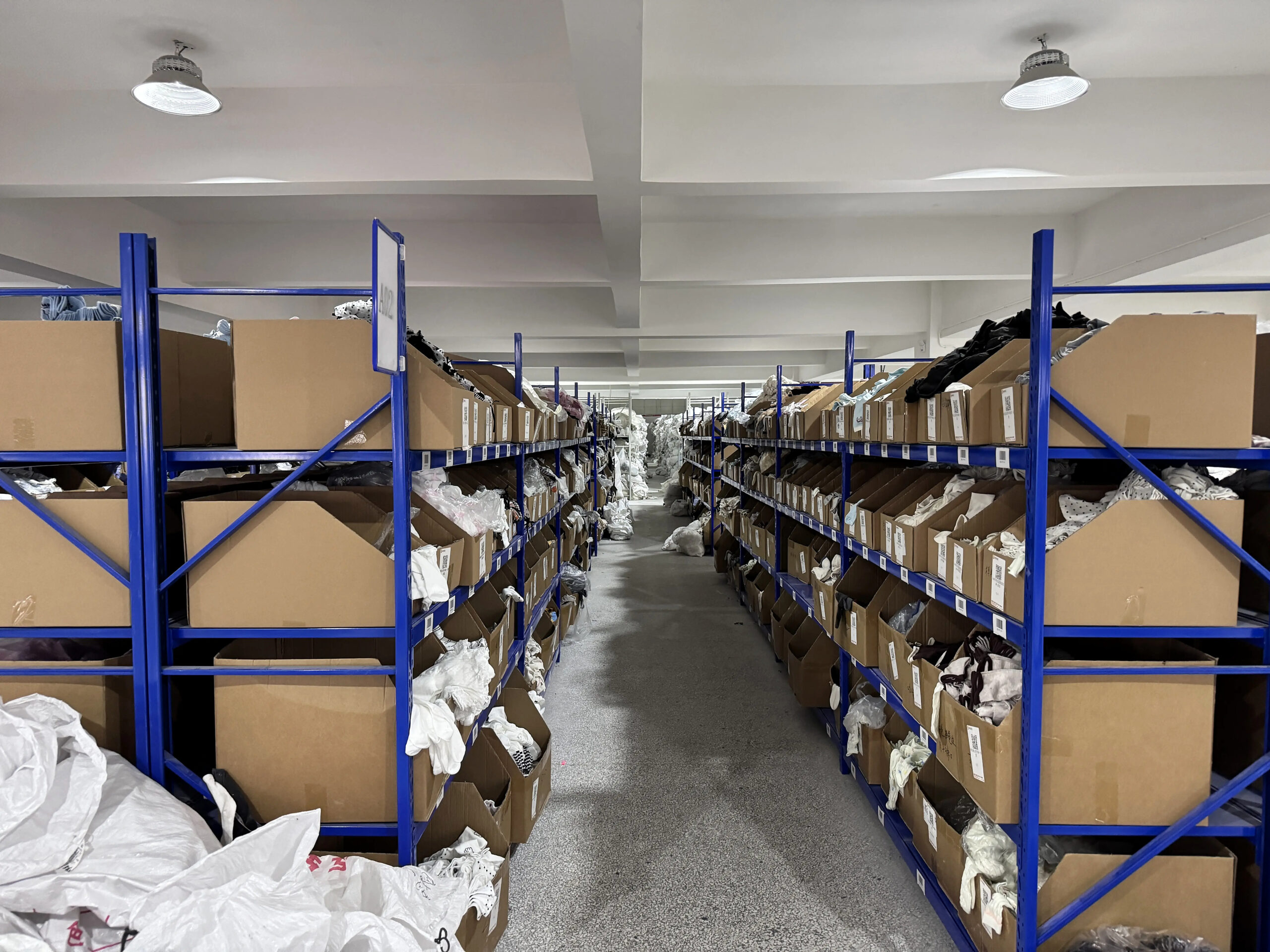
Carton quantity, carton marks and export packing
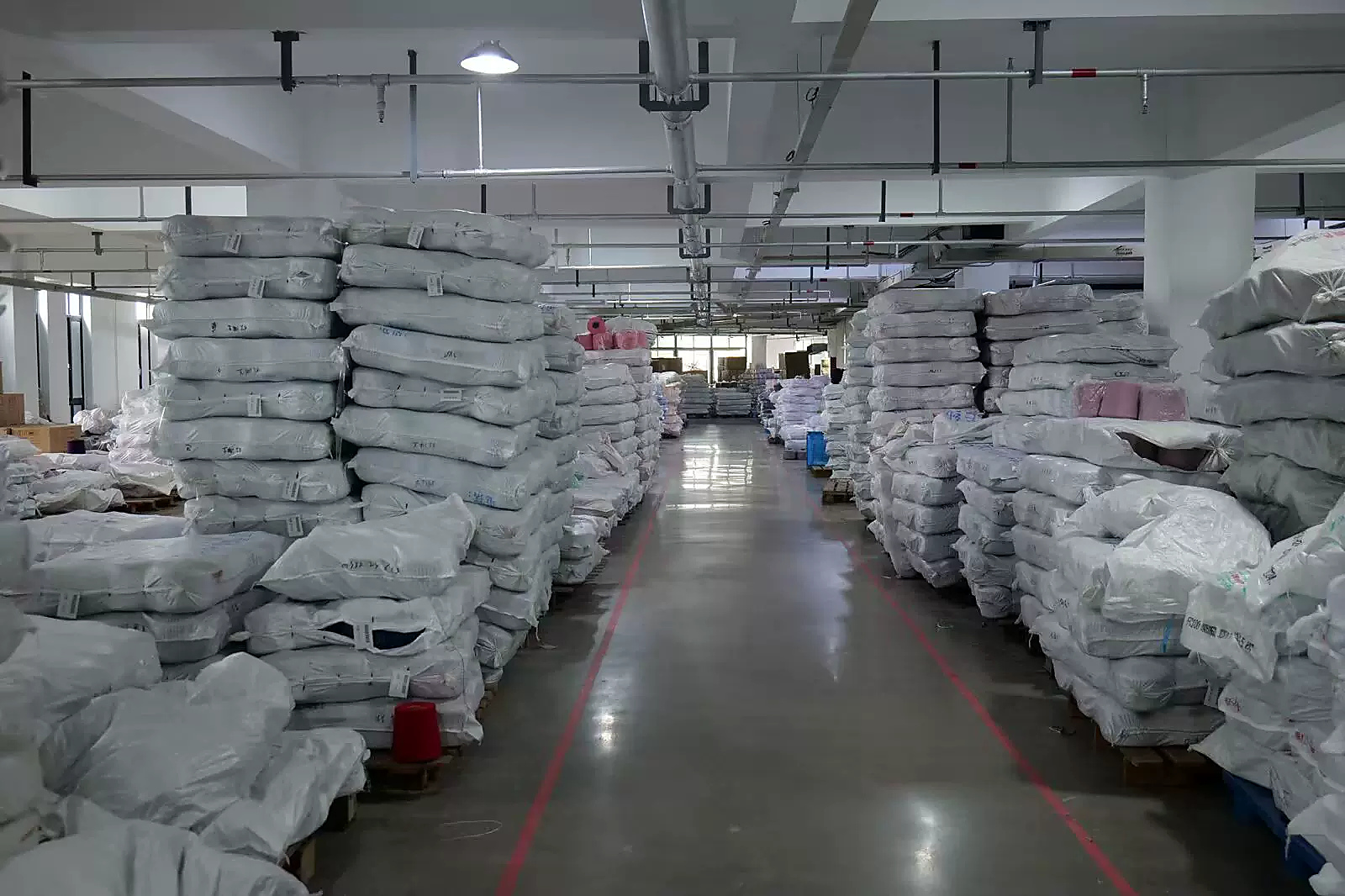
Export reliability depends on the goods, retail packaging and master-carton information matching the approved order details.
Use project evidence and agreed checkpoints instead of relying only on sales claims.
Request current production-area, machine, QC and packing images.
Agree which production stages need photo or status updates.
Keep a physical sample and specification as the bulk reference.
Confirm measurements, inspection criteria and packing checkpoints.
Discuss buyer, third-party or video inspection requirements early.
Request relevant company and export documents for supplier review.
Factory visits, video calls and third-party inspections can be discussed according to the project schedule and access requirements.
The approved sample and specification are used as references through knitting, finishing, final inspection and packing checks.
Typical sampling is 7–10 days after details are confirmed. Typical bulk production is 20–35 days after sample approval.
Options include cotton, bamboo, wool, polyester, nylon and functional blends, with cushioning, mesh, grip, arch support and compression structures.
Yes. We support bands, hangtags, woven labels, polybags, boxes, SKU labels, barcodes and export carton marks.
Commercial invoice, packing list and shipment-related documents are coordinated according to the order and shipping arrangement.
Send your sock type, artwork or reference, size range, quantity, packaging and target delivery date. We will respond with the recommended manufacturing route and quotation details.